
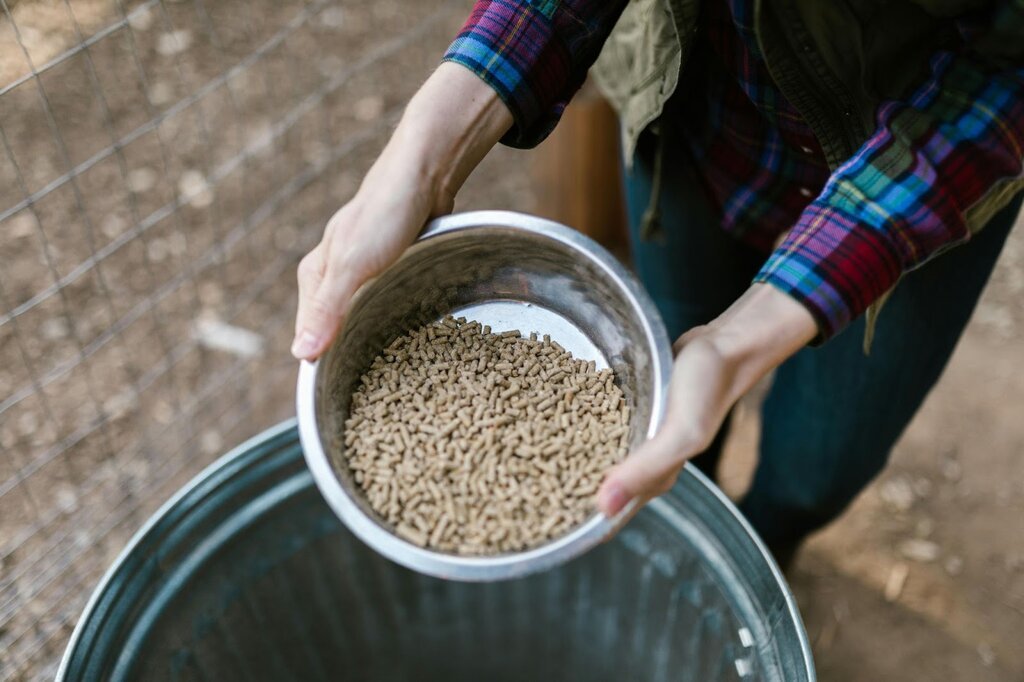

Photo by RDNE Stock project: https://www.pexels.com/photo/a-person-holding-stainless-bowl-7781984/
Selecting the right animal feed and equipment supplier can determine whether a farming operation thrives or merely survives. Many producers focus solely on price, overlooking critical factors that affect livestock health, productivity, and long-term profitability. From nutritional formulations to equipment reliability and supplier responsiveness, each decision carries lasting consequences for herd performance and operational efficiency. Understanding which criteria matter most, and how to evaluate them systematically, separates successful farms from those struggling with preventable setbacks.
Understanding Your Livestock’s Nutritional Needs Before Selecting an Animal Feed Supplier
Before evaluating potential suppliers, livestock owners must first conduct a thorough assessment of their animals’ specific dietary requirements. Different species demand distinct nutritional profiles, cattle require different protein-to-energy ratios than poultry or swine. Age, production stage, and health status further influence these needs. Partnering with a knowledgeable animal feed supplier ensures that these nutritional specifications are met consistently through properly formulated feed options.
Farmers should consult veterinary nutritionists or extension services to determine precise nutrient specifications, including protein percentages, mineral content, and vitamin supplementation. Documentation of current feed performance metrics, such as growth rates, milk production, or egg quality, establishes baseline data for comparison.
Understanding seasonal variations in nutritional demands helps anticipate supply needs. For instance, lactating dairy cows require higher calcium levels than dry cows. This extensive nutritional knowledge enables farmers to communicate effectively with suppliers and evaluate whether their product offerings align with livestock requirements.
Evaluating Product Quality, Consistency, and Ingredient Transparency
Once nutritional requirements are established, farmers must scrutinize the quality standards and manufacturing practices of prospective suppliers. Premium feed suppliers provide detailed ingredient lists, nutritional analysis reports, and third-party testing certifications that verify product composition and safety standards.
Consistency across batches guarantees livestock receive uniform nutrition, preventing digestive issues and performance fluctuations. Reliable suppliers maintain rigorous quality control protocols and document their sourcing practices. Farmers should request sample testing results, manufacturing facility certifications, and traceability information for raw materials.
Transparent suppliers readily disclose ingredient origins, processing methods, and nutritional guarantees. They provide certificates of analysis, mycotoxin screening results, and contamination testing data. This transparency enables farmers to make informed decisions, assess value propositions accurately, and guarantee feed aligns with their livestock’s specific requirements and farm management objectives.
The Benefits of Using a Blackstrap Molasses Feed Topper to Improve Feed Intake and Performance
While evaluating feed suppliers remains crucial, farmers can enhance their existing feed programs through strategic supplementation with a blackstrap molasses feed topper. This natural supplement increases palatability, encouraging reluctant eaters to consume their complete ration. The high sugar content provides readily available energy for livestock, supporting performance during periods of increased metabolic demand.
Blackstrap molasses contains essential minerals including iron, calcium, and magnesium, contributing to overall nutritional balance. Its sticky consistency reduces feed dust and binds particles together, minimizing waste from sorting behavior. When selecting a molasses feed topper, producers should verify the product’s purity and consistency standards from their supplier.
Application rates typically range from 2-5% of total feed weight, though specific recommendations vary by species and production goals. Proper storage prevents crystallization and maintains product efficacy.
Assessing Equipment Durability, Safety Standards, and Long-Term Maintenance
Beyond the nutritional components of feed programs, the physical infrastructure required for feed storage and distribution demands careful evaluation. Equipment durability directly impacts operational efficiency and replacement costs over time. Suppliers should provide detailed specifications regarding material grade, corrosion resistance, and expected operational lifespan under typical farm conditions.
Safety certifications from recognized standards organizations indicate adherence to industry best practices for animal welfare and worker protection. Equipment should feature proper guards, emergency shutoffs, and clear operational protocols to minimize accident risks.
Long-term maintenance requirements considerably affect total ownership costs. Reliable suppliers offer transparent maintenance schedules, readily available replacement parts, and accessible technical support. Warranty coverage, service response times, and parts inventory availability distinguish superior suppliers from adequate ones, ultimately determining equipment reliability throughout its service life.
Comparing Pricing, Delivery Options, and Supplier Customer Support
How considerably do pricing structures vary between animal feed suppliers, and what hidden costs might surface during the partnership? Suppliers often employ different pricing models, bulk discounts, subscription rates, or seasonal pricing, that greatly impact total expenditure. Hidden costs include delivery fees, minimum order requirements, storage surcharges, and price fluctuations tied to commodity markets. Farmers should request detailed quotes encompassing all potential expenses.
Delivery reliability directly affects farm operations. Evaluate suppliers’ delivery schedules, geographic coverage, transportation methods, and contingency plans for delays. Flexible delivery options accommodate varying farm needs and prevent feed shortages.
Customer support quality determines problem resolution efficiency. Assess response times, technical expertise availability, after-sales service, and communication channels. Suppliers offering nutritional consultation, order tracking systems, and dedicated account managers provide superior value beyond product transactions.
Building Long-Term Partnerships With Suppliers for Sustainable Farm Growth
Selecting a supplier based solely on immediate transactional benefits overlooks the strategic advantages of cultivating enduring relationships. Long-term partnerships enable suppliers to understand farm-specific requirements, anticipate seasonal demands, and provide tailored solutions that align with operational objectives.
Established relationships foster preferential treatment during product shortages, access to new innovations, and flexible payment arrangements during challenging periods. Suppliers invested in client success often deliver technical expertise, farm management insights, and proactive problem-solving that transcends basic vendor functions.
Commitment from both parties encourages collaborative planning for expansion, breed changes, or production intensification. Regular communication establishes trust and transparency, allowing farmers to negotiate better terms while suppliers secure predictable revenue streams. This mutual dependency creates stability, reduces supply chain disruptions, and supports sustainable farm growth through shared knowledge and aligned business interests.