
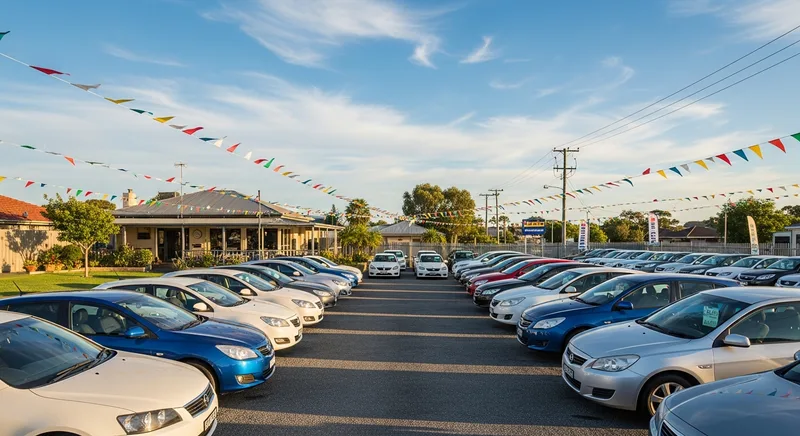

Living outside Perth doesn’t cut you off from Perth’s bigger used-car pool. It just means the order matters: check the car and the dealer, get a full delivered price, then decide whether to commit.
Start with licensed dealers, not private sellers
A private sale in the city can look cheaper on screen. The problem is what doesn’t travel with it. Under the Australian Consumer Law, cars bought from licensed dealers generally carry automatic guarantees of acceptable quality and a match with their description. Those same guarantees don’t apply to a private sale, leaving a remote buyer with fewer options if the car turns out to have major faults.
Licensed dealers in Western Australia also work under state dealer licensing rules. That doesn’t remove all risk, but it does give buyers a licensed business to deal with. The contract, condition reports and correspondence should still be retained as the record of the agreement.
There is no cooling-off period for vehicle sales in Western Australia. A remote purchase should not be approached on the assumption that it can simply be reversed later. Written sale conditions and an understanding of the dealer’s obligations are important before agreeing to proceed.
Verify the car without standing next to it
You can’t kick the tires from three hundred kilometers away, so you need other ways to assess the car. A PPSR check using the VIN is a useful starting point. The PPSR certificate names any registered security interest and can also flag a car recorded as written off or stolen. It does not show the debt amount or establish mechanical condition. Separate vehicle-history services may provide additional information, but coverage varies. Service invoices, odometer records and the seller’s account of prior use need to be considered together; a report is not a complete maintenance history.
An independent pre-purchase mechanical inspection is worth arranging. A local inspector can put the car on a hoist and test drive it, then provide photos of faults you’d never spot on a sales listing. Completing both checks before paying a deposit gives buyers a clearer picture.
Ask for photos that dealers don’t always post. You want close-ups of tire tread and wheels, along with images taken with the engine on. You also want shots of seats and cargo space with any marks clearly shown.
Confirm the inspection’s scope before booking, including whether it covers a road test and lift check. Ask for written findings and whether repair estimates are included or need separate workshop quotes. That report gives you a basis to discuss fixes or a price change. It also helps you recognize a car worth walking away from.
Judge how the dealer handles remote buyers
Good dealers leave a trail you can check from afar. Look for fixed, no-haggle pricing and high-resolution photos, backed by video walkthroughs, written condition reports and clear transport quotes. A useful starting point is to shortlist second hand cars perth from dealers who have fixed pricing and clear delivery terms. If photos are blurry or answers are vague, take that seriously rather than filling in the gaps yourself.
Ask for a live video call if you still have doubts.
Test response times before you commit. Send two specific questions about service history and tire age. Direct answers backed by documents are more useful than smooth sales talk, especially when they arrive promptly.
Get one delivered price in writing
Sticker price tells only part of the story when the car starts in Perth and ends up at your place. A single drive-away figure should break down the vehicle cost, freight, registration and on-road charges. That breakdown lets buyers compare like with like instead of guessing what gets added later. It also brings extra fees into the open before any agreement is signed. A dealer’s unwillingness to put that total in writing is a reason to reconsider.
Delivery timing and pickup points matter too. Ask who books transport and what insurance covers during transit. Find out what happens if the car arrives late or with new marks.
This is where country buyers can go wrong. They line up listings by sticker price and pick the lowest one. Two cars with a two-thousand-dollar gap can swap places once freight and transfer fees are added.
Sort finance and paperwork before you travel
Finance pre-approval may provide a starting point for price discussions, but it is usually conditional rather than confirmation that funds are ready. The lender still needs to confirm the vehicle and outstanding requirements before settlement. A fixed, drive-away price is meaningful only when its inclusions are clear. A lender can explain settlement by bank transfer and how long cleared funds take. Understanding that process can help reduce last-minute delays.
Trade-ins can be handled at a distance as well. Clear photos and service books can support a written trade-in valuation that offsets the purchase price. Dealer warranty choices and protection plans may offer coverage beyond the standard guarantees. The Western Australia Department of Transport provides information about transfer and plate requirements to review before the car is loaded.
Plates and registration shouldn’t be assumed to transfer automatically. It’s worth asking who lodges the transfer papers and what timeframe applies after delivery. Keeping the contract and PPSR certificate together makes the paperwork easier to find.
Ask what cover comes with the car. Statutory guarantees provide a baseline, and some dealers have extra warranty choices for added peace of mind. Written terms help clarify what is covered and for how long.
Distance buying works best with a clear process. A history check, an independent inspection and a written delivered total give buyers a firmer basis for deciding whether to arrange travel or transport.