

For years, game rooms were treated as secondary spaces in the home — places reserved for clutter, old furniture, or occasional entertainment. Today, that perception has changed dramatically. Across modern homes, boutique hotels, stylish offices, and private lounges, recreational spaces are being reimagined with the same attention to detail once reserved for kitchens or living rooms.
Among the standout pieces leading this shift is the foosball table. No longer viewed as a purely casual gaming accessory, it has evolved into a statement object that blends craftsmanship, architecture, and social interaction. In luxury interiors especially, designers are embracing game tables not only for entertainment value, but for the atmosphere and personality they bring into a space.
Entertainment Spaces Are Becoming More Intentional
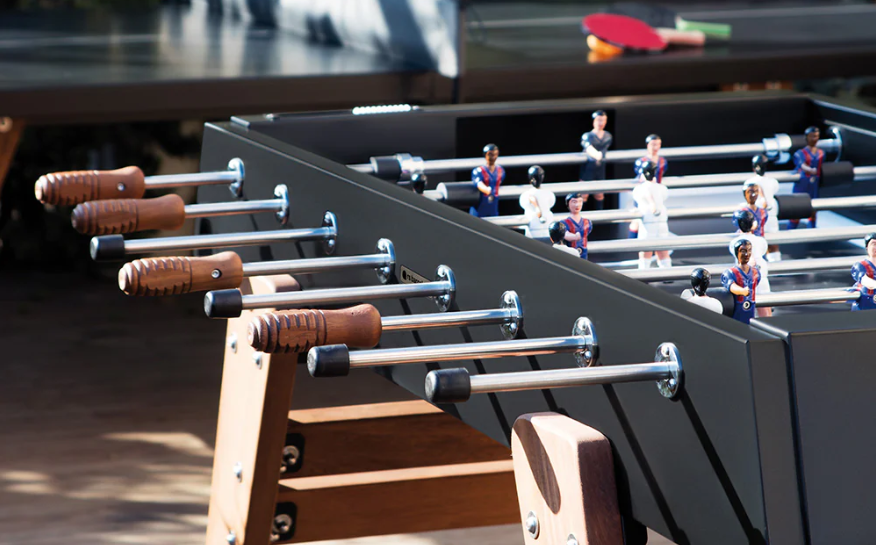
Modern interior design increasingly focuses on experience rather than simple aesthetics. Homeowners want spaces that encourage connection, relaxation, and interaction. This has fueled a growing interest in multifunctional environments — areas where design and leisure coexist naturally.
A stylish game table contributes to this trend in a way that feels organic. Unlike televisions or purely digital entertainment systems, foosball creates face-to-face engagement. It encourages conversation, competition, and movement, making it especially appealing in homes designed for hosting guests.
Luxury residences now frequently include dedicated entertainment areas featuring curated lighting, custom seating, premium sound systems, and designer recreational furniture. Within these environments, the right gaming centerpiece can anchor the room visually while also serving a practical social purpose.
From Arcade Equipment to Designer Furniture
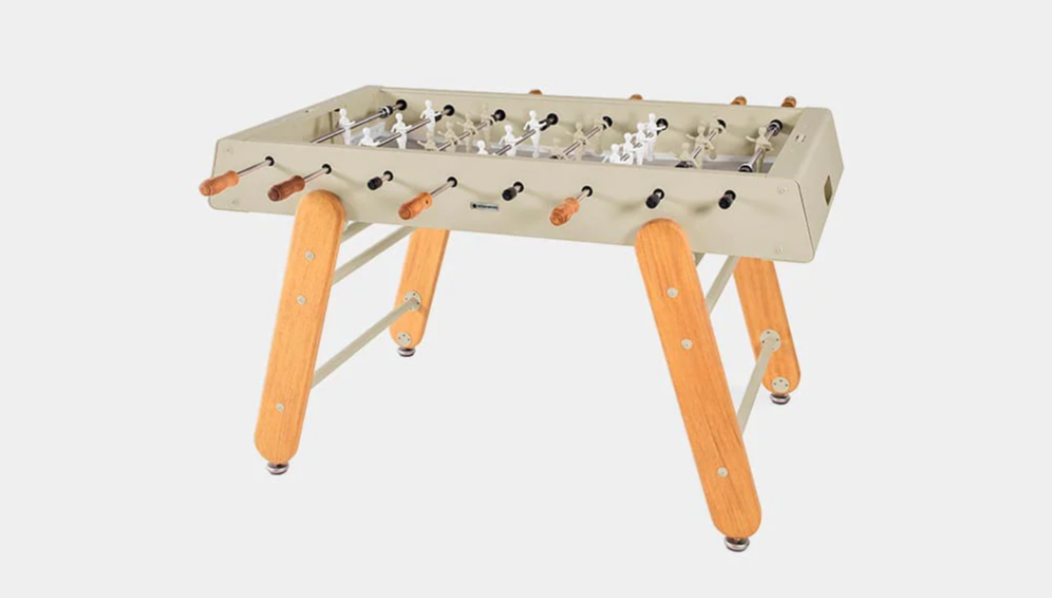
Traditional foosball tables were built primarily for durability and function. While practical, they often lacked aesthetic refinement. That has changed significantly in recent years as designers and premium manufacturers began treating game tables as collectible furniture pieces.
Materials now include polished steel, natural wood, tempered glass, and architectural finishes that complement sophisticated interiors. Clean lines, minimalist silhouettes, and handcrafted details have elevated the category far beyond its recreational origins.
In many contemporary interiors, a carefully selected foosball table can function similarly to a sculptural coffee table or statement lighting fixture. It becomes part of the visual identity of the room rather than something hidden away after use.
This evolution reflects a broader design philosophy where utility and artistry merge seamlessly.
Why Luxury Buyers Appreciate Interactive Design
Luxury is increasingly defined by experiences rather than excess. Consumers are investing in products that enrich daily life and create memorable moments with family and friends.
Interactive furniture aligns perfectly with this mindset because it transforms passive environments into engaging social spaces. A beautifully designed game table offers more than decoration; it encourages participation and shared experiences.
This is especially relevant in modern households where digital fatigue is becoming more common. Families and guests often appreciate activities that feel tactile and authentic. Foosball delivers exactly that balance — competitive enough to be exciting, yet accessible enough for nearly anyone to enjoy.
Because of this universal appeal, premium game tables have become common additions in:
- Contemporary penthouses
- Creative office lounges
- Boutique hospitality spaces
- Rooftop entertainment areas
- Luxury vacation homes
- Private clubs and lounges
The versatility of the piece contributes heavily to its popularity.
The Influence of European Design on Modern Game Tables
European furniture design has long emphasized balance between beauty and practicality. That philosophy has strongly influenced the evolution of modern foosball tables.
Instead of oversized arcade-inspired constructions, contemporary models often prioritize elegance, proportion, and craftsmanship. Many feature understated palettes and architectural detailing that allow them to integrate naturally into refined interiors.
This European approach also embraces longevity. Rather than disposable entertainment products, these tables are designed as lasting investments that maintain visual relevance for years.
That distinction matters in luxury spaces where every object is expected to contribute to a cohesive design language.
Craftsmanship Matters More Than Ever
In premium interiors, quality is immediately recognizable. Consumers notice the texture of materials, the precision of construction, and the durability of finishes.
Luxury game tables now compete in the same design conversation as high-end dining tables or custom cabinetry. Attention to detail has therefore become essential.
Features commonly associated with upscale models include:
- Hand-finished wood surfaces
- Precision-engineered playing mechanisms
- Durable steel or aluminum structures
- Customizable color palettes
- Minimalist hardware integration
- Sustainable material sourcing
These details transform the experience from casual recreation into something more elevated.
Social Design Is Shaping Modern Homes
Open-concept living continues to dominate residential architecture. As walls disappear and shared spaces become larger, furniture increasingly serves as a facilitator of interaction.
A foosball table naturally supports this dynamic because it draws people together. Unlike isolated entertainment options, it creates moments of spontaneous engagement. Guests walking into a room instantly understand its purpose and energy.
This social aspect is particularly important in luxury homes designed for entertaining. Whether during family gatherings, dinner parties, or weekend events, interactive pieces help establish a relaxed and welcoming atmosphere.
Designers often speak about “conversation pieces,” but few objects literally generate conversation the way a game table does.
Blending Leisure With Sophistication
One reason modern foosball tables work so well in upscale interiors is their ability to balance playfulness with refinement.
The best designs avoid looking childish or overly sporty. Instead, they incorporate subtle aesthetics that align with broader architectural themes. Neutral finishes, geometric forms, and premium materials allow them to coexist comfortably alongside designer furniture and contemporary art.
As a result, homeowners no longer feel the need to hide recreational pieces in basements or isolated media rooms. Game tables are now displayed proudly in central living spaces, where they contribute both visually and socially.
The Future of Luxury Recreation Furniture
As lifestyle-focused design continues to evolve, recreational furniture will likely become even more integrated into high-end interiors. Consumers increasingly seek environments that support both wellness and connection, and interactive design elements fulfill that desire naturally.
We are also seeing stronger overlap between hospitality and residential design. Features once associated primarily with luxury hotels or members-only clubs are now appearing in private homes. Stylish entertainment furniture fits perfectly within this crossover.
Manufacturers are responding by creating products that prioritize flexibility, craftsmanship, and aesthetic compatibility with modern architecture.
In the coming years, the distinction between functional furniture and entertainment furniture may continue to blur entirely.
Final Thoughts
The resurgence of foosball tables in luxury interiors reflects more than a nostalgic appreciation for classic games. It highlights a larger cultural shift toward meaningful social experiences, intentional design, and interactive living spaces.
Today’s premium game tables are no longer viewed as temporary novelties. They are sophisticated design objects capable of enhancing both the visual atmosphere and the emotional energy of a room.
As homeowners continue investing in spaces that encourage connection and creativity, the modern foosball table has secured its place as both a recreational centerpiece and a refined expression of contemporary lifestyle design.