
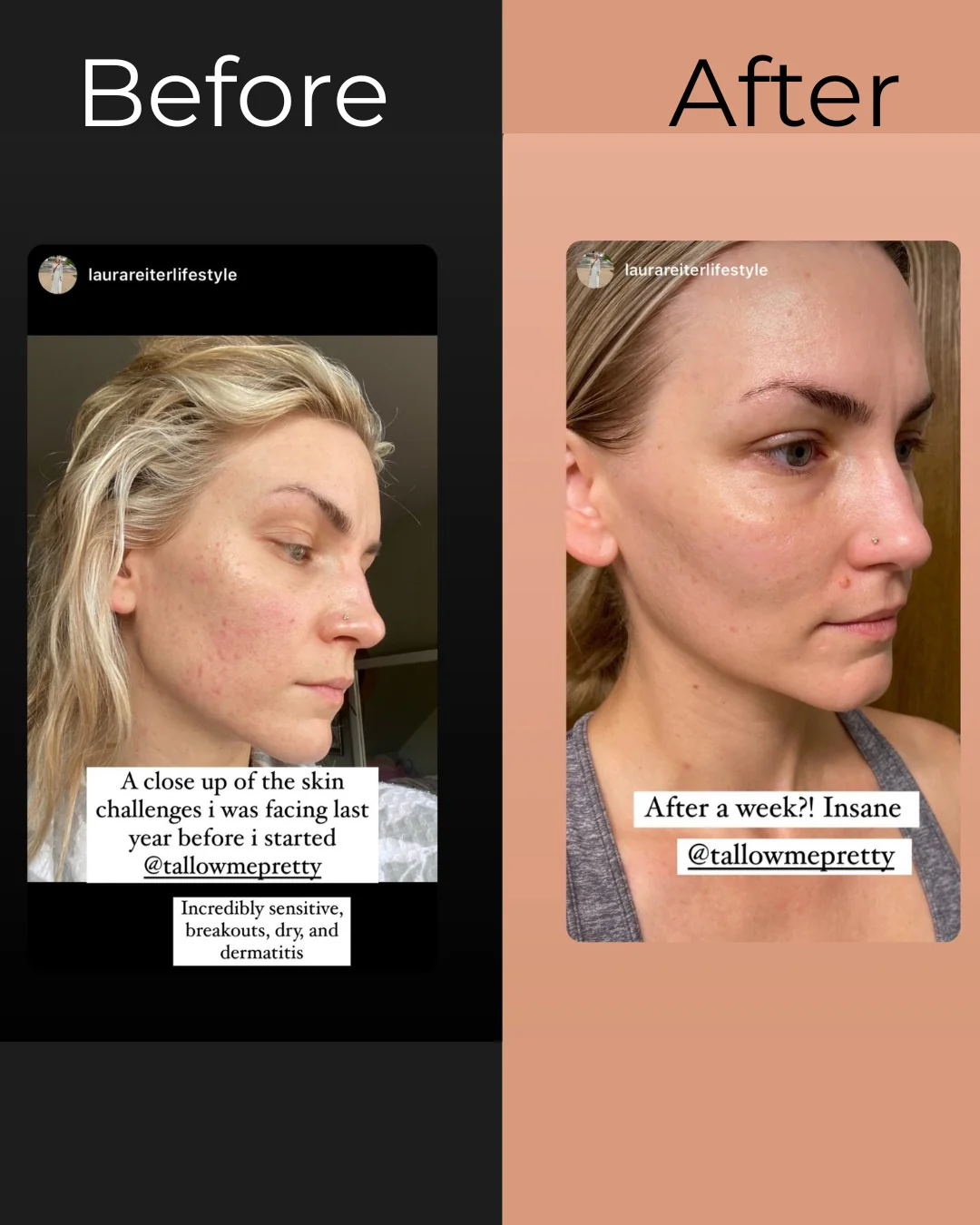

Introduction
Beef tallow for skin has become one of the biggest natural skincare trends in recent years. While many modern beauty products rely on synthetic ingredients, more people are returning to traditional remedies that have been used for centuries. Beef tallow is one such ingredient that has gained attention for its moisturizing properties and skin-friendly nutrients.
For generations, people used animal fats to protect their skin from harsh weather, dryness, and irritation. Today, skincare enthusiasts appreciate beef tallow because it contains vitamins and fatty acids that closely resemble the oils naturally found in human skin. This unique composition allows it to absorb easily while helping maintain a healthy skin barrier.
Whether you struggle with dry skin, sensitive skin, or simply want to explore natural skincare alternatives, beef tallow may offer several benefits. However, like any skincare product, it is important to understand how it works, who can benefit from it, and how to use it safely.
In this guide, you’ll learn everything you need to know about beef tallow for skin, including its history, nutritional profile, benefits, and why it has become popular again among natural skincare enthusiasts.
What Is Beef Tallow?
Beef tallow is rendered fat taken from cattle. The rendering process slowly melts raw fat to remove impurities, leaving behind a smooth, shelf-stable fat that has been used for cooking, soap making, candle production, and skincare for centuries.
When produced from grass-fed cattle and carefully purified, beef tallow becomes creamy, odor-free, or only mildly scented. Many skincare companies whip the tallow into a soft balm that spreads easily across the skin.
Unlike petroleum-based products that mainly sit on the surface, beef tallow contains nutrients that may support the skin’s natural barrier.
The quality of beef tallow depends largely on:
- The diet of the cattle
- Rendering methods
- Purification process
- Storage conditions
Many skincare experts recommend choosing grass-fed, minimally processed beef tallow for the highest nutrient content.
The History of Beef Tallow in Skincare
Long before commercial moisturizers existed, people relied on natural fats to protect their skin.
Ancient civilizations understood that animal fats helped prevent skin from drying out during cold winters and harsh climates.
Historically, beef tallow was commonly used by:
- Farmers
- Ranchers
- Hunters
- Sailors
- Indigenous communities
- European households
These groups often applied tallow to:
- Dry hands
- Chapped lips
- Cracked heels
- Rough elbows
- Windburn
- Minor skin irritation
In earlier centuries, homemade tallow balms were considered household essentials. Families rendered animal fat after processing livestock and stored it for cooking as well as skincare.
Although commercial lotions eventually replaced many traditional remedies, natural skincare enthusiasts have recently rediscovered beef tallow because of its simple ingredient list and moisturizing qualities.
Why Beef Tallow Is Becoming Popular Again
Natural beauty products have experienced tremendous growth over the past decade. Consumers are becoming more interested in ingredients they can easily recognize and understand.
Several factors contribute to the renewed popularity of beef tallow for skin:
1. Minimal Ingredients
Many tallow balms contain only:
- Beef tallow
- Olive oil
- Jojoba oil
- Essential oils (optional)
This appeals to people who prefer fewer synthetic additives.
2. Traditional Wisdom
Many consumers appreciate skincare methods that have been trusted for generations rather than relying solely on newer cosmetic formulations.
3. Rich in Skin-Friendly Nutrients
Beef tallow naturally contains compounds that help moisturize and protect the skin barrier.
4. Sustainable Living
Some people view beef tallow as a sustainable ingredient because it utilizes a by-product of cattle processing that might otherwise go unused.
5. Simple Skincare Routine
Instead of using multiple creams and serums, some people prefer one multi-purpose balm suitable for:
- Face
- Hands
- Feet
- Elbows
- Lips
- Cuticles
Nutritional Composition of Beef Tallow
One reason beef tallow attracts attention is its impressive nutrient profile.
Its natural fats resemble those found in human skin, allowing it to blend well with the skin’s protective barrier.
Let’s explore its key nutrients.
Vitamin A
Vitamin A supports normal skin cell turnover and helps maintain healthy-looking skin.
Potential benefits include:
- Smoother appearance
- Improved texture
- Support for skin renewal
Vitamin D
Vitamin D contributes to overall skin health and plays a role in maintaining the skin’s protective functions.
Although topical application is not a substitute for dietary vitamin D or sunlight exposure, its presence adds to beef tallow’s nutrient profile.
Vitamin E
Vitamin E is widely recognized for its antioxidant properties.
It helps protect the skin from environmental stressors while supporting moisture retention.
Vitamin K
Vitamin K supports healthy skin and is included naturally in quality beef tallow.
Saturated Fatty Acids
Saturated fats help create a protective layer on the skin that reduces moisture loss.
This makes beef tallow especially useful during cold or dry weather.
Monounsaturated Fats
These fats help soften the skin while improving flexibility and comfort.
Stearic Acid
Stearic acid is one of the major fatty acids found in beef tallow.
Benefits include:
- Skin conditioning
- Moisture retention
- Improved texture
Palmitic Acid
Palmitic acid occurs naturally in human skin.
It supports the skin barrier and helps reduce water loss.
Oleic Acid
Oleic acid acts as a natural emollient, helping the skin feel smoother and softer after application.
How Beef Tallow Works on the Skin
Understanding how beef tallow interacts with your skin helps explain its popularity.
Your skin naturally produces sebum, an oily substance that:
- Protects against dryness
- Maintains flexibility
- Supports the skin barrier
- Prevents excessive moisture loss
Beef tallow contains fatty acids similar to those naturally present in sebum.
Because of this similarity, many people find that beef tallow absorbs relatively well instead of simply sitting on top of the skin.
Once applied, beef tallow forms a breathable layer that helps lock in moisture while softening rough areas.
Top Benefits of Beef Tallow for Skin
Deep Moisturization
Perhaps the biggest reason people choose beef tallow for skin is its remarkable moisturizing ability.
Dry skin often results from a weakened skin barrier.
Beef tallow helps reinforce that barrier by reducing water loss and providing nourishing fats.
Many users notice softer skin after only a few applications.
Supports the Skin Barrier
Your skin barrier protects against:
- Pollution
- Dry air
- Wind
- Irritants
- Water loss
When this barrier becomes damaged, skin may feel:
- Tight
- Dry
- Itchy
- Rough
The fatty acids found in beef tallow help replenish the skin’s natural oils, supporting a healthier barrier.
Softens Rough Skin
Areas such as:
- Knees
- Elbows
- Feet
- Hands
often become rough due to friction and dryness.
Applying beef tallow regularly may help soften these areas while improving comfort.
May Help Relieve Dry Winter Skin
Cold weather frequently causes skin to lose moisture more rapidly.
Many people use beef tallow during winter because its rich texture creates a protective layer that helps shield skin from harsh environmental conditions.
Gentle for Sensitive Skin
Many commercial skincare products contain:
- Artificial fragrance
- Alcohol
- Preservatives
- Synthetic dyes
These ingredients may irritate sensitive skin.
Pure beef tallow products often contain very few ingredients, making them appealing for individuals who prefer simple skincare routines.
However, everyone reacts differently, so performing a patch test before widespread use is recommended.
Long-Lasting Hydration
Unlike lightweight lotions that may require frequent reapplication, beef tallow provides lasting hydration because it creates a protective barrier that slows moisture evaporation.
This makes it especially useful for:
- Overnight skincare
- Hand care
- Foot care
- Dry climates
Supports Healthy-Looking Skin
Well-moisturized skin generally appears:
- Smoother
- Softer
- More supple
- More radiant
Although beef tallow is not a miracle cure, maintaining proper hydration can significantly improve the overall appearance and comfort of your skin.
Multi-Purpose Skincare Product
One jar of beef tallow balm can often replace several products.
Many people use it on:
- Face
- Hands
- Body
- Lips
- Cuticles
- Dry patches
- Feet
- Elbows
- Knees
Its versatility makes it a convenient option for those seeking a simple, natural skincare routine.
Beef Tallow vs. Modern Moisturizers
Modern skincare products often contain a blend of water, oils, emulsifiers, preservatives, fragrances, and active ingredients. While these formulations can be highly effective, some people prefer a simpler ingredient list. This is where beef tallow for skin stands out.
Here’s a comparison:
| Feature | Beef Tallow | Modern Moisturizers |
|---|---|---|
| Main Ingredients | Rendered beef fat | Water, oils, emulsifiers, preservatives |
| Texture | Rich and creamy | Varies from light to heavy |
| Moisturizing Ability | Excellent | Depends on the formula |
| Synthetic Ingredients | Usually none or very few | Often contains several |
| Shelf Stability | Good when stored properly | Often extended with preservatives |
| Best For | Dry, rough, or mature skin | All skin types, depending on the product |
Neither option is universally better. The best choice depends on your skin type, personal preferences, and any skin concerns you may have.
Who Should Use Beef Tallow for Skin?
Beef tallow may be a suitable option for many people, especially those who enjoy natural skincare products.
People With Dry Skin
Dry skin often lacks sufficient natural oils. Beef tallow can help replenish moisture and leave the skin feeling softer and more comfortable.
People Living in Cold Climates
Cold weather, wind, and indoor heating can strip moisture from the skin. A rich tallow balm may provide extra protection during winter months.
People Seeking Minimal-Ingredient Skincare
If you prefer skincare products with short ingredient lists, beef tallow is an attractive option. Many products contain only rendered tallow and a small amount of plant oil.
People With Rough Skin
Areas such as elbows, heels, knees, and hands may benefit from the nourishing and protective qualities of beef tallow.
Who Should Be Careful?
Although many people enjoy using beef tallow, it may not be the right choice for everyone.
You should exercise caution if you have:
- Very oily skin
- Acne-prone skin that worsens with heavy moisturizers
- A known allergy to beef-derived ingredients
- Skin conditions that require prescription treatment
If you have persistent skin problems or a diagnosed skin condition, consult a dermatologist before making significant changes to your skincare routine.
Potential Benefits Backed by Skin Science
The popularity of beef tallow is not just based on tradition. Its composition helps explain why it works well as a moisturizer.
Possible benefits include:
Strengthening the Skin Barrier
Healthy skin contains lipids that help retain moisture. Beef tallow contains fatty acids that can support this protective barrier.
Reducing Moisture Loss
Occlusive ingredients create a protective layer that slows water evaporation. Beef tallow acts as an emollient and helps keep skin hydrated.
Improving Skin Softness
Consistent moisturizing can make rough skin feel smoother and more supple over time.
Supporting Healthy-Looking Skin
Hydrated skin often appears brighter, smoother, and more comfortable, even though beef tallow is not a treatment for specific skin diseases.
Potential Drawbacks of Beef Tallow
Like any skincare product, beef tallow has a few disadvantages.
Rich Texture
Some users may find beef tallow too heavy, especially during hot weather or if they naturally have oily skin.
Natural Scent
Although refined tallow has very little odor, some products may retain a mild natural scent that not everyone enjoys.
Quality Differences
Not all beef tallow products are made the same. Lower-quality products may contain impurities or be poorly rendered.
Ethical Considerations
Because beef tallow is an animal-derived ingredient, it is not suitable for vegans or those who prefer plant-based skincare.
How to Use Beef Tallow for Skin
Using beef tallow correctly can help you get the best results.
Step 1: Clean Your Skin
Wash your face or body with a gentle cleanser and pat your skin dry.
Step 2: Use a Small Amount
A little goes a long way. Scoop out a pea-sized amount and warm it between your fingertips.
Step 3: Massage Gently
Apply the tallow using gentle circular motions until absorbed.
Step 4: Focus on Dry Areas
Pay extra attention to:
- Hands
- Elbows
- Knees
- Feet
- Dry facial patches
Step 5: Use Overnight
Many people prefer applying beef tallow before bed, allowing it to moisturize the skin overnight.
Can Beef Tallow Be Used on the Face?
Yes, many people use beef tallow as a facial moisturizer.
However, facial skin varies greatly from person to person.
Before using it regularly:
- Perform a patch test.
- Start with a small amount.
- Apply it only at night initially.
- Observe how your skin responds over several days.
If you notice increased breakouts or irritation, discontinue use and consider a lighter moisturizer.
DIY Beef Tallow Skincare Recipes
Making your own beef tallow skincare products can be simple if you start with high-quality, purified tallow.
Simple Whipped Beef Tallow Balm
Ingredients
- 1 cup rendered beef tallow
- 2 tablespoons jojoba oil
- 1 tablespoon olive oil
- Optional: a few drops of lavender or chamomile essential oil
Instructions
- Gently soften the tallow if needed.
- Mix in the oils.
- Whip with a hand mixer until light and fluffy.
- Transfer to a clean glass jar.
- Store in a cool, dry place.
Healing Hand Balm
Ingredients
- Beef tallow
- Shea butter
- Beeswax
- Vitamin E oil (optional)
This richer blend is ideal for dry, cracked hands, especially during winter.
Lip Balm
Combine:
- Beef tallow
- Beeswax
- Coconut oil
Pour into small containers and allow the mixture to cool before use.
Choosing the Best Beef Tallow Products
If you prefer buying rather than making your own, keep these tips in mind.
Look for products that are:
- Made from grass-fed cattle
- Properly rendered and purified
- Free from artificial fragrances
- Free from unnecessary preservatives
- Packaged in airtight containers
- Produced by reputable manufacturers
Reading ingredient labels can help you avoid products with fillers or excessive additives.
Storage Tips
Proper storage helps maintain freshness and quality.
- Keep the container tightly closed.
- Store it in a cool, dry location.
- Avoid direct sunlight.
- Use clean fingers or a cosmetic spatula to reduce contamination.
- Discard the product if it develops an unpleasant odor or changes in texture.
Frequently Asked Questions
Is beef tallow good for skin?
Many people find beef tallow to be an effective moisturizer because it contains fatty acids that help support the skin barrier and reduce moisture loss.
Can I use beef tallow every day?
Yes, if your skin tolerates it well. Daily use is common for dry skin, but those with oily or acne-prone skin may prefer less frequent application.
Is beef tallow suitable for sensitive skin?
It may be suitable because many products contain very few ingredients. However, always perform a patch test before applying it more broadly.
Does beef tallow clog pores?
It depends on the individual. Some people use it without issue, while others—especially those prone to acne—may find heavy products contribute to clogged pores.
Can beef tallow replace my moisturizer?
For some people, yes. Others may prefer to use it alongside their existing skincare routine, particularly as an overnight treatment for dry areas.
How long does beef tallow last?
When properly rendered and stored in a cool, dry place, beef tallow skincare products can remain usable for several months. Always follow the manufacturer’s storage recommendations if using a commercial product.
Is grass-fed beef tallow better?
Many users prefer grass-fed beef tallow because it is often considered higher quality and may contain a different nutrient profile than conventionally raised sources.
READ MORE:
Northern Lights Alaska Time of Year: The Complete Guide to Planning Your Aurora Adventure
Conclusion
Beef tallow for skin has stood the test of time as a traditional skincare ingredient that continues to attract attention in the modern beauty world. Its rich blend of fatty acids and naturally occurring vitamins makes it an excellent moisturizer for many people, particularly those with dry or rough skin.
While beef tallow is not a cure-all for every skin concern, it can be a valuable addition to a simple skincare routine when used appropriately. Choosing a high-quality, well-rendered product, applying it in moderation, and performing a patch test before regular use are all important steps.
Whether you are looking for an alternative to conventional moisturizers or exploring traditional skincare practices, beef tallow offers a straightforward option with a long history of use. As with any skincare product, consistency and attention to your skin’s individual needs are key to achieving the best results.