
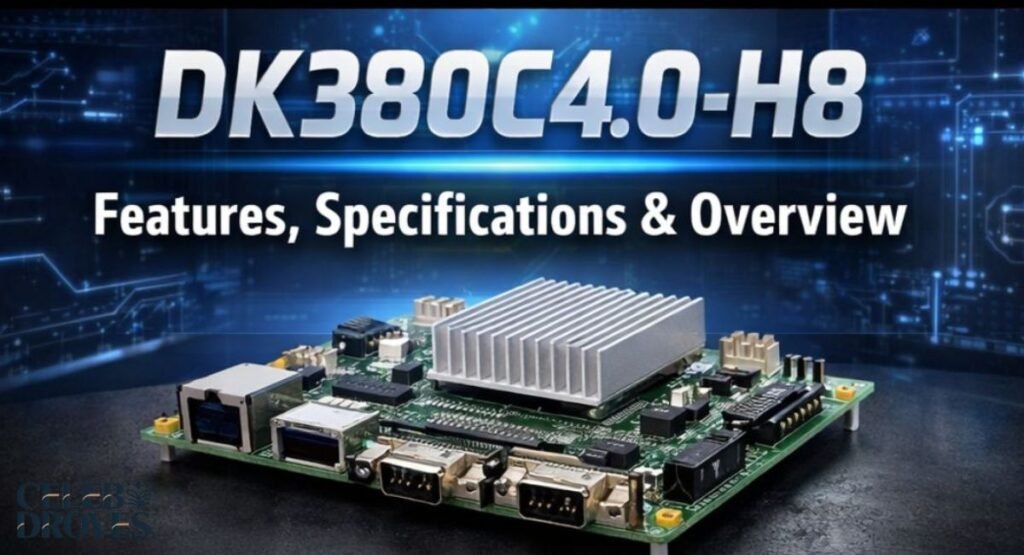

Introduction to DK380C4.0-H8
The term DK380C4.0-H8 has gained attention among technology enthusiasts, industrial professionals, and hardware users looking for reliable components and system solutions. While product codes like DK380C4.0-H8 may seem complex at first glance, they often represent a specific model designed for performance, durability, and compatibility within a particular technical environment.
Understanding the specifications, applications, and advantages of DK380C4.0-H8 can help businesses and individuals make informed decisions when selecting equipment or replacement components. Whether you are researching this model for industrial automation, electronics, machinery, or system integration, this guide provides a comprehensive overview.
In this article, we will explore everything you need to know about DK380C4.0-H8, including its potential features, uses, benefits, maintenance tips, and factors to consider before purchasing.
What Is DK380C4.0-H8?
DK380C4.0-H8 is a model designation that typically identifies a specialized hardware component, industrial device, or electronic module. Manufacturers often use such codes to differentiate product generations, specifications, and compatibility requirements.
The naming structure may indicate:
- Product series (DK380)
- Version or configuration (C4.0)
- Hardware revision (H8)
These identifiers help users ensure they are selecting the correct model for their intended application.
Because technical products often evolve through multiple revisions, understanding the exact model number is essential for obtaining compatible accessories, replacement parts, and software support.
Key Features of DK380C4.0-H8
One reason users search for DK380C4.0-H8 is its reputation for reliability and functionality. Depending on its specific implementation, common features may include:
High Performance Processing
Modern hardware models frequently include optimized processing capabilities designed to handle demanding workloads efficiently.
Benefits include:
- Faster operation
- Improved response times
- Enhanced multitasking
- Reduced system bottlenecks
Durable Construction
Industrial and professional-grade components are often engineered to withstand challenging environments.
Advantages include:
- Resistance to wear
- Long operational lifespan
- Stable performance
- Reduced maintenance requirements
Enhanced Compatibility
Compatibility is one of the most important considerations when integrating hardware into existing systems.
DK380C4.0-H8 may support:
- Multiple operating environments
- Standard communication protocols
- Existing infrastructure
- Modular system upgrades
Energy Efficiency
Many modern devices are designed to consume less power while maintaining strong performance.
Potential benefits include:
- Lower operating costs
- Reduced heat generation
- Environmentally friendly operation
- Improved overall efficiency
Applications of DK380C4.0-H8
One of the reasons DK380C4.0-H8 attracts attention is its versatility across different industries.
Industrial Automation
Automation systems rely heavily on dependable hardware components.
DK380C4.0-H8 may be used in:
- Production lines
- Manufacturing equipment
- Monitoring systems
- Process control environments
Reliable operation helps ensure continuous productivity and minimal downtime.
Electronics Systems
Electronic systems require components that provide consistent and accurate performance.
Potential applications include:
- Control boards
- Embedded systems
- Data acquisition devices
- Signal processing equipment
Commercial Equipment
Commercial organizations often prioritize hardware solutions that balance performance and affordability.
Common use cases may include:
- Facility management systems
- Security infrastructure
- Communication networks
- Equipment monitoring
Research and Development
Research facilities often need dependable hardware for testing and experimentation.
Benefits for R&D include:
- Accurate data collection
- Stable performance
- Flexible integration
- Repeatable testing conditions
Why DK380C4.0-H8 Is Popular
Several factors contribute to the growing interest in DK380C4.0-H8.
Reliability
Reliability is often the primary concern when selecting any technical component.
Users value equipment that:
- Performs consistently
- Requires less maintenance
- Minimizes failures
- Supports long-term operations
Scalability
Organizations often expand their systems over time.
Scalable solutions offer:
- Easy upgrades
- Flexible deployment
- Better resource management
- Reduced replacement costs
Cost Effectiveness
A well-designed component can provide strong value through:
- Extended lifespan
- Lower maintenance expenses
- Reduced downtime
- Improved productivity
Technical Specifications to Consider
When evaluating DK380C4.0-H8, users should review several important specifications.
Processing Capabilities
Performance metrics may include:
- Operating speed
- Data throughput
- Response time
- System efficiency
Understanding these specifications helps determine whether the device can meet operational requirements.
Connectivity Options
Connectivity influences how easily a component integrates into existing systems.
Potential options include:
- Ethernet
- USB interfaces
- Serial communication
- Wireless support
Operating Environment
Environmental factors play a significant role in long-term reliability.
Consider:
- Temperature range
- Humidity tolerance
- Dust resistance
- Vibration resistance
Power Requirements
Power specifications affect installation and operation.
Review:
- Voltage requirements
- Power consumption
- Energy efficiency ratings
- Backup power compatibility
Advantages of Using DK380C4.0-H8
Improved Productivity
Reliable hardware contributes directly to productivity improvements.
Benefits include:
- Faster operations
- Reduced interruptions
- Better workflow efficiency
- Enhanced system performance
Lower Maintenance Costs
Durable components typically require fewer repairs.
This results in:
- Reduced service expenses
- Less downtime
- Longer operating periods
- Better return on investment
Increased System Stability
System stability is crucial in professional and industrial environments.
Stable hardware helps:
- Prevent data loss
- Reduce operational errors
- Improve reliability
- Support continuous operations
Better Integration
Modern systems often require interoperability between multiple devices.
Integration advantages may include:
- Easier installation
- Simplified configuration
- Improved communication
- Flexible deployment
Installation Guidelines for DK380C4.0-H8
Proper installation is essential for achieving optimal performance.
Review Documentation
Before installation:
- Read user manuals carefully
- Verify specifications
- Confirm compatibility
- Follow manufacturer recommendations
Prepare the Environment
Ensure that:
- Power requirements are met
- Ventilation is adequate
- Environmental conditions are suitable
- Necessary tools are available
Verify Connections
Double-check:
- Power connections
- Data cables
- Network interfaces
- Mounting hardware
Proper verification reduces the risk of installation errors.
Perform Initial Testing
After installation:
- Run diagnostics
- Monitor performance
- Verify connectivity
- Check for error messages
Testing helps identify issues before full deployment.
Maintenance Tips for DK380C4.0-H8
Regular maintenance can significantly extend operational life.
Keep Components Clean
Dust and debris may affect performance.
Best practices include:
- Routine cleaning
- Airflow inspection
- Filter replacement
- Surface maintenance
Monitor Performance Metrics
Tracking performance helps identify problems early.
Monitor:
- Temperature
- Power consumption
- Processing loads
- Error logs
Update Firmware and Software
Manufacturers often release updates that improve:
- Security
- Stability
- Compatibility
- Performance
Keeping systems updated helps maximize reliability.
Schedule Inspections
Routine inspections can prevent unexpected failures.
Check:
- Physical condition
- Connection integrity
- Cooling systems
- Operational performance
Common Challenges and Solutions
Compatibility Issues
Challenge:
A system may not recognize the component correctly.
Solution:
- Verify model numbers
- Update drivers
- Review documentation
- Check communication settings
Performance Limitations
Challenge:
The system may not perform as expected.
Solution:
- Optimize configurations
- Monitor workloads
- Upgrade supporting hardware
- Review resource utilization
Environmental Factors
Challenge:
Extreme conditions can affect performance.
Solution:
- Improve ventilation
- Maintain recommended temperatures
- Protect against moisture
- Use appropriate enclosures
Choosing the Right DK380C4.0-H8 Model
Before purchasing, consider the following:
Intended Application
Determine:
- System requirements
- Performance expectations
- Environmental conditions
- Future expansion plans
Budget Considerations
Evaluate:
- Initial cost
- Maintenance expenses
- Energy consumption
- Long-term value
Supplier Reputation
Work with trusted suppliers who offer:
- Authentic products
- Technical support
- Warranty coverage
- Documentation access
Support Availability
Good support can reduce downtime and simplify troubleshooting.
Look for:
- User manuals
- Technical assistance
- Firmware updates
- Training resources
Future Trends Related to DK380C4.0-H8
Technology continues to evolve rapidly.
Future developments may include:
Greater Automation
Automation systems are becoming more sophisticated and interconnected.
Expected benefits include:
- Increased efficiency
- Better monitoring
- Predictive maintenance
- Reduced operational costs
Smart Connectivity
Advanced communication capabilities continue to expand.
Potential improvements include:
- Real-time analytics
- Remote monitoring
- Cloud integration
- Enhanced diagnostics
Improved Energy Management
Future hardware designs may focus even more on:
- Lower power consumption
- Sustainable operation
- Heat reduction
- Environmental responsibility
Best Practices for Long-Term Performance
To maximize the value of DK380C4.0-H8:
- Follow manufacturer guidelines.
- Conduct routine inspections.
- Monitor performance regularly.
- Keep firmware updated.
- Maintain proper environmental conditions.
- Use compatible accessories.
- Document maintenance activities.
- Train operators effectively.
These practices can help ensure reliable performance throughout the product lifecycle.
READ MORE:
What’s in Fudholyvaz? A Complete Guide to Understanding the Ingredients, Uses, and Benefits
Conclusion
DK380C4.0-H8 represents a specialized hardware or industrial model that offers reliability, compatibility, and performance for a variety of applications. Whether used in automation systems, electronics, commercial equipment, or research environments, understanding its capabilities is essential for achieving the best results.
By evaluating specifications, ensuring proper installation, following maintenance procedures, and planning for future requirements, users can maximize the benefits of DK380C4.0-H8. As technology continues to advance, models like DK380C4.0-H8 will remain important components in modern technical infrastructures, helping organizations improve efficiency, productivity, and long-term operational success.
Frequently Asked Questions (FAQ) About DK380C4.0-H8
1. What is DK380C4.0-H8?
DK380C4.0-H8 is a model designation commonly used to identify a specific hardware, electronic, or industrial component. The exact function depends on the manufacturer and application, but it is generally associated with reliable performance and system compatibility.
2. What is DK380C4.0-H8 used for?
DK380C4.0-H8 may be used in industrial automation systems, electronic control equipment, monitoring solutions, commercial infrastructure, and research environments where dependable operation is required.
3. What are the main features of DK380C4.0-H8?
Key features often include:
- Stable performance
- Durable construction
- Efficient power usage
- Broad compatibility
- Easy system integration
- Long operational lifespan
4. Is DK380C4.0-H8 suitable for industrial applications?
Yes. Many users consider DK380C4.0-H8 suitable for industrial environments because of its reliability, durability, and ability to support continuous operation.
5. How do I install DK380C4.0-H8?
Installation generally involves:
- Reviewing the product documentation.
- Verifying compatibility with your system.
- Connecting power and communication interfaces correctly.
- Testing the device after installation.
Always follow manufacturer instructions for the best results.
6. How can I improve the performance of DK380C4.0-H8?
You can improve performance by:
- Keeping firmware updated
- Monitoring operating conditions
- Maintaining proper ventilation
- Using compatible hardware
- Performing regular inspections
7. Does DK380C4.0-H8 require regular maintenance?
Yes. Routine maintenance helps extend the lifespan of the device. Recommended tasks include cleaning, checking connections, monitoring temperatures, and installing software or firmware updates.
8. What should I do if DK380C4.0-H8 is not working properly?
If issues occur:
- Check power connections
- Verify cable integrity
- Review configuration settings
- Restart the system
- Consult technical documentation
- Contact manufacturer support if necessary
9. Is DK380C4.0-H8 energy efficient?
Many modern hardware components are designed with energy efficiency in mind. Actual power consumption depends on the specific implementation and operating conditions.
10. Can DK380C4.0-H8 be integrated into existing systems?
In most cases, yes. Compatibility depends on system requirements, communication protocols, hardware specifications, and software support.
11. What factors should I consider before buying DK380C4.0-H8?
Important considerations include:
- Intended application
- Performance requirements
- Environmental conditions
- Budget
- Supplier reputation
- Availability of technical support
12. How long does DK380C4.0-H8 typically last?
The lifespan varies based on usage, maintenance, and operating conditions. With proper care and regular maintenance, it can provide reliable service for many years.
13. Is DK380C4.0-H8 suitable for commercial environments?
Yes. Its reliability and scalability make it a practical choice for many commercial and professional applications.
14. What are the benefits of using DK380C4.0-H8?
Major benefits include:
- Improved system stability
- Reduced downtime
- Enhanced productivity
- Lower maintenance costs
- Better long-term value
15. Where can I find technical support for DK380C4.0-H8?
Technical support is usually available through the product manufacturer, authorized distributors, official documentation, service centers, and support portals associated with the device.