Best Time to See Northern Lights in Norway: The Complete Guide for an Unforgettable Aurora Adventure

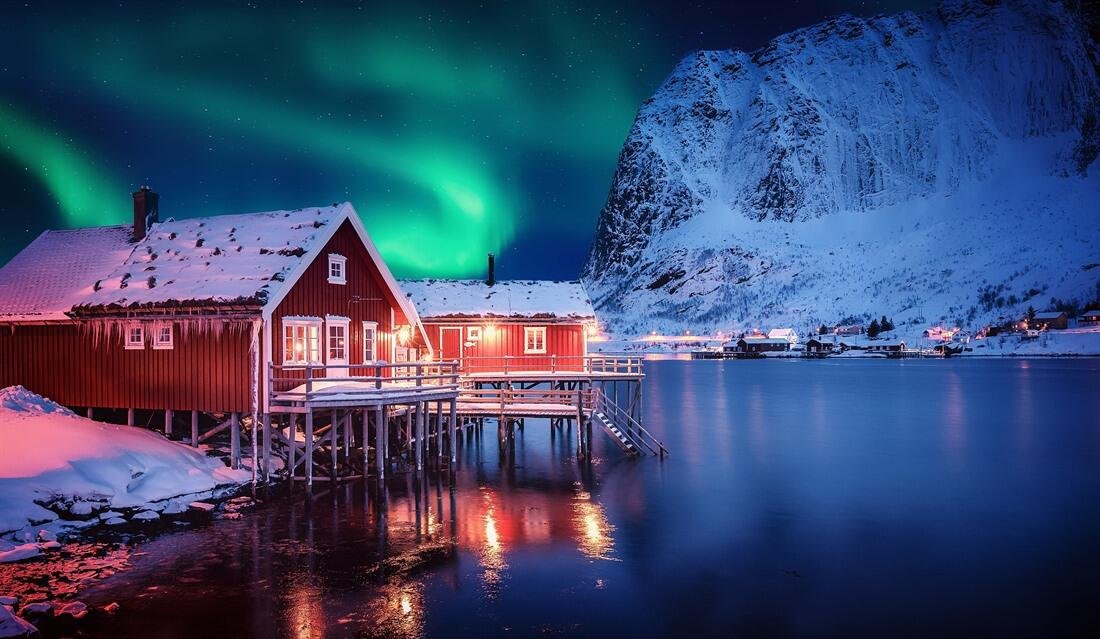
The best time to see northern lights in Norway is from late September to late March, when the nights are long, dark, and the skies are often clear. Norway is one of the world’s top destinations for witnessing the magical Aurora Borealis because of its location within the Arctic Circle. Every year, thousands of travelers visit Norway hoping to experience the dancing green, purple, and pink lights across the night sky.
Whether you’re planning your first Arctic adventure or returning for another unforgettable experience, choosing the right season, destination, and weather conditions can greatly improve your chances of seeing the northern lights.
In this complete guide, you’ll learn the best months to visit, the top places in Norway for aurora viewing, weather tips, photography advice, and practical travel recommendations.
Why best time to see northern lights in norway
Norway sits directly beneath the Auroral Oval, a ring-shaped zone around the Earth’s magnetic poles where aurora activity is strongest.
Several factors make Norway an outstanding destination:
- Long winter nights
- Clear Arctic skies
- Excellent tourism infrastructure
- Easy access to remote viewing locations
- Comfortable accommodations
- Professional northern lights tours
Unlike many Arctic destinations, Norway combines incredible natural beauty with modern transportation and high-quality hotels, making it suitable for both adventure travelers and families.
Best Time to See Northern Lights in Norway
The northern lights are technically present throughout the year, but they can only be seen when the sky is dark enough.
Here is a month-by-month overview.
September
September marks the beginning of the aurora season.
Advantages include:
- Mild temperatures
- Beautiful autumn colors
- Less snow
- Fewer tourists
Nighttime darkness returns after summer, making aurora sightings possible once again.
Average temperature:
5°C to 12°C
October
October is one of the best months for viewing.
Benefits include:
- Longer nights
- Stable weather
- Comfortable temperatures
- Excellent photography conditions
Many experienced photographers prefer October because lakes often remain unfrozen, creating stunning reflections.
Average temperature:
0°C to 8°C
November
Darkness increases significantly during November.
Advantages:
- Long viewing hours
- Higher aurora visibility
- Less crowded than peak winter
Snow begins covering much of Northern Norway, adding beautiful winter scenery.
Average temperature:
-5°C to 3°C
December
December is among the most magical months.
Reasons to visit:
- Polar Night in northern regions
- Christmas atmosphere
- Snow-covered landscapes
- Nearly all-day darkness
Although daylight is limited, cloudy weather can occasionally reduce visibility.
Average temperature:
-8°C to 0°C
January
January offers excellent opportunities.
Pros:
- Long nights
- Fresh snowfall
- Beautiful Arctic landscapes
- Peak aurora season
This month is ideal for combining northern lights viewing with winter activities.
Average temperature:
-10°C to -2°C
February
Many locals consider February the perfect month.
Why?
- Colder temperatures
- More stable weather
- Clear skies
- Strong aurora activity
Snow conditions are also excellent for outdoor adventures.
Average temperature:
-10°C to -3°C
March
March is often considered the best overall month.
Benefits include:
- Longer daylight for sightseeing
- Dark enough nights
- Pleasant temperatures
- Excellent weather stability
Many visitors experience spectacular auroras during March.
Average temperature:
-6°C to 2°C
Best Places to See Northern Lights in Norway
Tromsø
Known as the “Gateway to the Arctic,” Tromsø is the most popular northern lights destination.
Highlights:
- Easy airport access
- Numerous guided tours
- Hotels for every budget
- Restaurants and nightlife
- Nearby fjords and mountains
Tromsø offers one of the highest success rates for aurora tours.
Alta
Alta is famous for its clear skies.
Reasons to visit:
- Dry climate
- Strong aurora visibility
- Ice hotel
- Dog sledding
- Sami culture
Many scientists have studied auroras here for decades.
Senja Island
Senja combines dramatic landscapes with fewer crowds.
Visitors enjoy:
- Coastal mountains
- Quiet viewing locations
- Beautiful photography opportunities
- Scenic drives
Lofoten Islands
The Lofoten Islands offer breathtaking scenery.
Imagine viewing green auroras above:
- Fishing villages
- Snowy peaks
- Calm fjords
- Sandy beaches
The combination creates unforgettable photographs.
Kirkenes
Located near the Russian border, Kirkenes offers:
- Long winters
- Excellent aurora visibility
- Snow hotels
- Snowmobile adventures
- King crab safaris
Svalbard
Svalbard is unique because visitors can experience auroras even during daytime darkness in winter.
However:
- Extremely cold
- Polar bear safety measures
- More expensive travel
It is better suited for experienced Arctic travelers.
Best Time of Night to See the Aurora
The northern lights usually appear between:
8:00 PM and 2:00 AM
Peak activity often occurs around:
10:00 PM to Midnight
However, auroras are unpredictable and may appear earlier or later.
Patience is essential.
Ideal Weather Conditions
Even during peak season, weather matters.
The best viewing conditions include:
- Clear skies
- Low cloud cover
- Minimal light pollution
- Strong solar activity
Always check:
- Cloud forecasts
- Aurora forecasts
- Local weather updates
Many guided tours drive hundreds of kilometers if necessary to find clear skies
How Long Should You Stay?
One night rarely guarantees success.
Recommended trip lengths:
- 3 nights: Good chance
- 4–5 nights: Better chance
- 7 nights: Excellent chance
Longer stays improve your chances because weather changes daily.
Understanding Aurora Forecasts
Aurora forecasts measure solar activity using the KP Index.
KP 0–2
Weak activity
Visible in northern Norway.
KP 3–4
Good activity
Visible across much of northern Norway.
KP 5+
Excellent activity
Bright displays visible over wider areas.
Remember:
A high KP Index doesn’t help if skies are cloudy.
What to Wear
Winter temperatures can become extremely cold.
Dress in layers.
Recommended clothing:
- Thermal base layer
- Wool sweater
- Insulated jacket
- Waterproof pants
- Thick socks
- Winter boots
- Hat
- Gloves
- Neck warmer
Staying warm helps you enjoy longer viewing sessions.
Best Camera Settings
For amazing northern lights photos:
Camera Mode:
Manual
ISO:
800–3200
Aperture:
f/2.8 or wider
Shutter Speed:
5–15 seconds
Focus:
Manual focus to infinity
Tripod:
Essential
A remote shutter release also helps reduce camera shake.
Northern Lights Tours
Guided tours offer several advantages.
Professional guides:
- Monitor weather constantly
- Find clear skies
- Explain aurora science
- Provide photography assistance
- Offer warm clothing
Many tours include hot drinks and snacks.
Other Winter Activities
A Norway winter trip offers much more than auroras.
Popular experiences include:
Dog Sledding
Drive your own team of huskies through snowy forests.
Whale Watching
Between November and January, many visitors see:
- Orcas
- Humpback whales
Sami Cultural Experiences
Learn about Indigenous Sami traditions through:
- Reindeer feeding
- Traditional food
- Storytelling
- Cultural performances
Snowmobiling
Explore frozen lakes and Arctic wilderness.
Ice Fishing
A peaceful activity enjoyed across Northern Norway.
Common Mistakes Travelers Make
Avoid these mistakes:
- Booking only one night
- Ignoring cloud forecasts
- Wearing insufficient clothing
- Expecting constant bright lights
- Staying inside hotels waiting for notifications
- Visiting during summer
Planning ahead greatly improves your experience.
Budget Tips
Travel costs can vary considerably.
Ways to save money:
- Visit during September or October
- Book flights early
- Choose guesthouses instead of luxury hotels
- Join group tours
- Cook some meals yourself
Traveling during shoulder season often provides excellent value.
Frequently Asked Questions
Can you see the northern lights every night?
No.
Auroras depend on solar activity and clear skies.
What month has the highest chance?
March is widely considered one of the best months due to its balance of darkness, weather, and aurora activity.
Are the northern lights guaranteed?
No destination can guarantee sightings.
However, Northern Norway offers some of the highest success rates in the world.
Is Norway better than Iceland?
Both are excellent.
Norway generally offers:
- More stable winter tourism
- Better transportation
- Larger viewing region
- More accommodation options
Can children enjoy northern lights trips?
Absolutely.
Many tours are family-friendly and provide warm clothing and comfortable transportation.
Do I need an expensive camera?
No.
Modern smartphones with Night Mode can capture impressive aurora photos, although dedicated cameras usually deliver better results.
READ MORE:
Qoruv.com Pioneering Firm: Driving Innovation Through Smart Digital Solutions
Final Thoughts
The best time to see northern lights in Norway is from late September through March, with February and March often providing the ideal combination of dark skies, favorable weather, and strong aurora activity. Norway’s Arctic destinations—such as Tromsø, Alta, Senja, the Lofoten Islands, Kirkenes, and Svalbard—offer unforgettable opportunities to witness one of nature’s most spectacular displays.
To maximize your chances, plan a stay of at least three to five nights, monitor weather and aurora forecasts, dress warmly, and be prepared to stay outdoors for a while. Whether you’re traveling for photography, adventure, or simply to experience the magic of the Arctic, Norway delivers a world-class northern lights experience that you’ll remember for a lifetime.