Best Month to See Northern Lights in Iceland: The Complete Guide for an Unforgettable Aurora Adventure

Introduction
If witnessing the magical Northern Lights is on your travel bucket list, Iceland is one of the world’s best destinations. The country’s dark skies, stunning landscapes, and accessible viewing locations make it an ideal place to experience this incredible natural phenomenon.
But one question every traveler asks is: What is the best month to see Northern Lights in Iceland?
The simple answer is September, October, February, and March. These months offer the perfect balance of dark nights, stable weather, and comfortable travel conditions. However, each month has its own advantages depending on what kind of experience you’re looking for.
In this complete guide, you’ll learn the best month to see Northern Lights in Iceland, what weather to expect, where to go, how to improve your chances of seeing the aurora, and expert tips to make your trip unforgettable.
Why Iceland Is One of the Best Places to See the Northern Lights
Iceland sits just below the Arctic Circle, making it one of the prime locations for viewing the Aurora Borealis.
Several factors make Iceland special:
- Long, dark winter nights
- Low light pollution outside cities
- Beautiful natural scenery
- Easy access to remote viewing spots
- Excellent road network
- Professional Northern Lights tours
Unlike many Arctic destinations, Iceland combines spectacular aurora viewing with waterfalls, glaciers, volcanoes, black sand beaches, and geothermal hot springs.
That means even if the lights don’t appear, you’ll still have an unforgettable vacation.
What Causes the Northern Lights?
The Northern Lights occur when charged particles from the sun collide with gases in Earth’s upper atmosphere.
These collisions create glowing lights that dance across the night sky in colors such as:
- Green
- Pink
- Purple
- Red
- White
- Blue
The most common color seen in Iceland is bright green, although powerful solar storms can produce vivid pink and purple displays.
Best Month to See Northern Lights in Iceland
While the Northern Lights season runs from late August through April, some months offer significantly better conditions than others.
Let’s examine each month.
September – One of the Best Overall Months
September marks the beginning of Iceland’s aurora season.
Advantages
- Mild temperatures
- Less snow
- Beautiful autumn colors
- Long but not freezing nights
- Roads remain easy to drive
- Smaller crowds than winter holidays
The weather is generally more comfortable compared to the colder winter months.
Another bonus is that Iceland experiences the autumn equinox during September. Many aurora experts believe geomagnetic activity tends to increase around the equinoxes, potentially improving viewing opportunities.
Average temperature:
5°C to 10°C (41°F to 50°F)
October – Excellent Darkness and Good Weather
October is another fantastic month.
By now:
- Nights are much longer.
- Darkness arrives earlier.
- Aurora activity becomes more frequent.
Although rain and clouds become more common, many travelers enjoy excellent displays throughout October.
The landscapes also become especially photogenic with early snow on mountain peaks.
Average temperature:
2°C to 7°C (36°F to 45°F)
November – Longer Nights
November provides excellent darkness.
Benefits include:
- Very long nights
- Strong aurora potential
- Fewer tourists than December
However, weather becomes more unpredictable.
Cloud cover can sometimes reduce visibility, making flexibility in your travel plans important.
Average temperature:
-1°C to 4°C (30°F to 39°F)
December – Peak Winter Magic
December offers some of the longest nights of the year.
This means more hours available for aurora hunting.
Christmas decorations throughout Iceland create a magical atmosphere, making December a favorite for holiday travelers.
Advantages:
- Extremely long nights
- Snow-covered scenery
- Festive atmosphere
- Great winter photography
Disadvantages:
- More tourists
- Higher hotel prices
- Short daylight hours
- Frequent storms
Average temperature:
-2°C to 4°C (28°F to 39°F)
January – Strong Aurora Season
January remains one of the strongest months.
Darkness lasts for many hours, providing excellent opportunities to catch the lights.
Benefits:
- Deep winter landscapes
- Frozen waterfalls
- Ice caves
- Great Northern Lights conditions
Challenges:
- Snowstorms
- Icy roads
- Cold temperatures
Average temperature:
-3°C to 3°C (27°F to 37°F)
February – One of the Best Months Overall
Many experienced Iceland travelers consider February one of the best months to visit.
Why?
Because it combines:
- Long nights
- Better weather than January
- Increasing daylight for sightseeing
- Excellent snow conditions
- Strong aurora activity
You can comfortably explore Iceland during the day before hunting the lights at night.
Average temperature:
-2°C to 3°C (28°F to 37°F)
March – The Top Choice for Many Visitors
March is arguably the best month to see Northern Lights in Iceland.
It offers nearly everything visitors want.
Advantages include:
- Stable weather
- Longer daylight for sightseeing
- Dark enough nights
- Better road conditions
- Beautiful snowy scenery
- Spring equinox aurora activity
Many photographers prefer March because they can enjoy dramatic sunsets, snowy mountains, and comfortable travel conditions.
Average temperature:
-2°C to 4°C (28°F to 39°F)
April – Last Chance for Aurora Viewing
April marks the end of the Northern Lights season.
While sightings are still possible early in the month, increasing daylight gradually shortens viewing opportunities.
Pros:
- Fewer tourists
- Milder temperatures
- Beautiful spring landscapes
Cons:
- Shorter nights
- Less darkness
Average temperature:
1°C to 7°C (34°F to 45°F)
Comparison of Every Month
| Month | Aurora Viewing | Weather | Crowds |
|---|---|---|---|
| September | Excellent | Mild | Low |
| October | Excellent | Good | Moderate |
| November | Very Good | Variable | Low |
| December | Excellent | Cold | High |
| January | Excellent | Cold | Moderate |
| February | Outstanding | Better | Moderate |
| March | Outstanding | Very Good | Moderate |
| April | Fair | Mild | Low |
Overall Best Month
If you can only choose one month, March stands out as the best overall choice.
It offers:
- Excellent aurora visibility
- Better weather
- More daylight for sightseeing
- Easier driving conditions
- Incredible winter landscapes
- Great photography opportunities
Close runners-up include September and February, both of which provide an excellent balance between weather, darkness, and travel comfort.
Best Time of Night to See the Northern Lights
The Northern Lights can appear anytime after dark, but the highest chances are generally between:
- 9:00 PM and 2:00 AM
Peak activity often occurs around:
- 11:00 PM to midnight
Patience is key. Some nights the aurora appears for only a few minutes, while on others it may dance across the sky for hours.
Best Places in Iceland to Watch the Northern Lights
While the lights can sometimes be seen from the capital, escaping city lights greatly improves your chances.
Top locations include:
Thingvellir National Park
Just a short drive from Reykjavík, this UNESCO World Heritage Site offers dark skies and dramatic landscapes.
Jökulsárlón Glacier Lagoon
Watching the aurora reflect off floating icebergs creates one of Iceland’s most breathtaking sights.
Vík
This charming coastal village combines black sand beaches with dark skies, making it a favorite among photographers.
Snæfellsnes Peninsula
Often called “Iceland in Miniature,” this region features mountains, lava fields, waterfalls, and excellent aurora viewing.
Westfjords
For travelers seeking solitude, the remote Westfjords offer some of Iceland’s darkest skies and minimal light pollution.
Tips for Increasing Your Chances
To maximize your opportunity to see the Northern Lights:
- Check the weather forecast for clear skies.
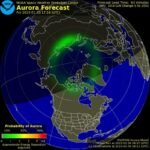
- Monitor aurora activity forecasts.
- Stay at least three to five nights.
- Travel away from city lights.
- Dress in warm, layered clothing.
- Be patient and allow several hours for viewing.
- Consider joining a guided Northern Lights tour, as local guides monitor conditions and know the best viewing spots.
How to Check the Northern Lights Forecast in Iceland
One of the best ways to improve your chances of seeing the Aurora Borealis is to monitor both the weather forecast and the aurora forecast before heading out each night.
What to Look For
There are two key factors:
1. Cloud Cover
- Clear skies are essential.
- Even strong aurora activity cannot be seen through thick clouds.
2. Aurora Activity (KP Index)
The KP Index measures geomagnetic activity on a scale from 0 to 9.
- KP 1–2: Good visibility in Iceland due to its northern location.
- KP 3–4: Excellent conditions.
- KP 5+: Spectacular displays are possible.
Remember, a high KP Index doesn’t guarantee a visible display if clouds cover the sky.
What to Wear for Northern Lights Hunting
Standing outside for several hours during Icelandic winter can be extremely cold. Dressing properly will make your experience much more enjoyable.
Recommended Clothing
- Thermal base layers
- Insulated winter jacket
- Waterproof outer shell
- Warm hat
- Wool scarf
- Thermal gloves
- Thick wool socks
- Waterproof winter boots
Dressing in layers helps trap body heat while allowing you to adjust your clothing if needed.
Best Camera Settings for Photographing the Northern Lights
Capturing the aurora requires more than just pointing your camera at the sky. With the right settings, you can take stunning images.
Equipment You’ll Need
- DSLR or mirrorless camera
- Sturdy tripod
- Wide-angle lens
- Extra batteries
- Remote shutter release (optional)
Suggested Camera Settings
- Mode: Manual
- ISO: 800–3200
- Aperture: f/1.8 to f/2.8
- Shutter Speed: 5–20 seconds
- Focus: Manual (set to infinity)
- File Format: RAW
Experiment with different settings depending on the brightness and movement of the lights.
Should You Join a Northern Lights Tour?
Many visitors wonder whether to rent a car or book a guided tour. Both options have benefits.
Guided Tour Advantages
- Experienced local guides
- Transportation included
- Real-time weather monitoring
- Access to lesser-known viewing locations
- No need to drive on icy roads at night
Self-Driving Advantages
- Complete flexibility
- More privacy
- Stop whenever you like
- Opportunity to explore remote areas
If you’re visiting Iceland in winter and are unfamiliar with driving in snowy conditions, a guided tour can be a stress-free option.
Other Amazing Things to Do During Northern Lights Season
Even if the aurora doesn’t appear on your first night, Iceland offers countless unforgettable experiences.
Visit Ice Caves
Winter is the best season to explore Iceland’s crystal-blue ice caves beneath glaciers.
Relax in Geothermal Hot Springs
Nothing compares to soaking in warm geothermal water while surrounded by snowy landscapes.
Popular options include:
- Blue Lagoon
- Sky Lagoon
- Secret Lagoon
Explore Waterfalls
Many of Iceland’s waterfalls become even more beautiful in winter.
Popular choices include:
- Seljalandsfoss
- Skógafoss
- Gullfoss
Walk on Black Sand Beaches
The famous black sand beaches near Vík offer dramatic scenery throughout the year.
Glacier Hiking
Guided glacier hikes allow visitors to safely explore Iceland’s icy landscapes while enjoying incredible mountain views.
Common Mistakes to Avoid
Many first-time visitors miss the Northern Lights because of simple mistakes.
Avoid these common errors:
Staying Only One Night
Weather is unpredictable. A longer stay of at least three to five nights greatly improves your chances.
Ignoring Cloud Forecasts
Aurora activity means little if the sky is overcast.
Expecting the Lights to Look Like Photos
Professional photographs often use long exposures and editing. To the naked eye, the lights may appear softer, though still incredibly beautiful.
Remaining in Reykjavík
The city has more light pollution than rural areas. Driving just 30–60 minutes outside the capital can significantly improve visibility.
Not Dressing Warmly
Cold temperatures can shorten your viewing session if you’re not prepared.
Sample 5-Day Northern Lights Itinerary
If your main goal is seeing the Northern Lights, here’s a suggested itinerary.
Day 1
- Arrive in Reykjavík
- Explore the city
- Evening aurora hunt
Day 2
- Golden Circle tour
- Visit waterfalls and geysers
- Northern Lights excursion
Day 3
- South Coast adventure
- Black sand beaches
- Glacier views
- Night photography
Day 4
- Jökulsárlón Glacier Lagoon
- Diamond Beach
- Aurora viewing near the lagoon
Day 5
- Blue Lagoon
- Souvenir shopping
- Final evening aurora search
This itinerary balances sightseeing with multiple opportunities to view the Northern Lights.
Frequently Asked Questions
What is the best month to see Northern Lights in Iceland?
March is often considered the best overall month because it offers dark skies, relatively stable weather, and longer daylight hours for sightseeing. September and February are also excellent choices.
Can you see the Northern Lights every night?
No. Visibility depends on solar activity, cloud cover, and darkness. Some nights have no visible aurora, while others feature spectacular displays.
Is December a good month to visit?
Yes. December offers long nights and festive winter scenery, though it is also one of the busiest and most expensive times to visit.
Can you see the Northern Lights from Reykjavík?
Yes, but light pollution can reduce visibility. Traveling outside the city usually provides a much better experience.
How many nights should I stay?
A stay of at least three to five nights is recommended to increase your chances of seeing the aurora.
Do I need special equipment?
No. The Northern Lights are visible to the naked eye. However, a camera with manual settings is helpful for photography.
READ MORE:
Best Time to See Northern Lights in Norway: The Complete Guide for an Unforgettable Aurora Adventure
Final Thoughts
Choosing the best month to see Northern Lights in Iceland depends on your travel goals, but for most visitors, March offers the ideal combination of favorable weather, dark skies, and excellent sightseeing opportunities. September is perfect for those seeking milder temperatures and colorful autumn landscapes, while February delivers reliable aurora activity with classic winter scenery.
No matter which month you choose, planning a stay of several nights, checking weather and aurora forecasts, and venturing away from city lights will greatly improve your chances of witnessing this breathtaking natural wonder.
Seeing the Northern Lights dance across Iceland’s dramatic landscapes is an unforgettable experience that belongs on every travel enthusiast’s bucket list. With thoughtful planning and a little patience, your dream of witnessing the Aurora Borealis can become a reality.