
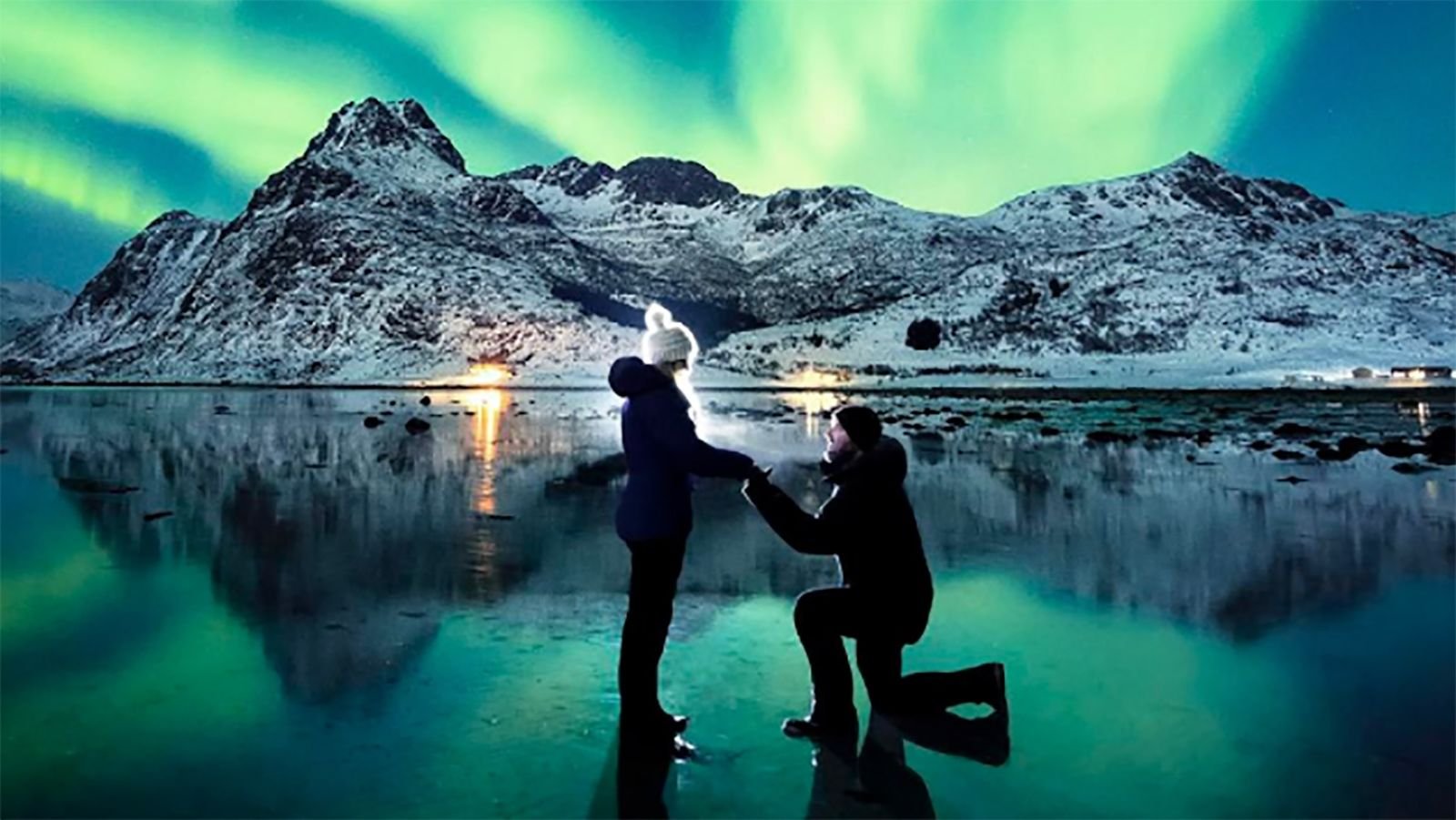

The northern lights Alaska time of year is one of the most searched topics among travelers planning a trip to the Last Frontier. Alaska is one of the best places in the world to witness the magical Aurora Borealis thanks to its location beneath the auroral oval, long winter nights, and vast areas with little light pollution.
If you’ve ever dreamed of watching colorful green, purple, and pink lights dance across the sky, timing your visit is the key to success. While the northern lights can appear at different times of the year, some months offer much better viewing conditions than others.
In this guide, you’ll learn the best time of year to see the northern lights in Alaska, the ideal months to visit, where to go, and how to maximize your chances of witnessing this unforgettable natural phenomenon.
What Are the Northern Lights?
The northern lights, also known as the Aurora Borealis, are a spectacular natural light display created when charged particles from the sun collide with gases in Earth’s upper atmosphere. These collisions produce beautiful waves of colorful light that ripple across the night sky.
The most common aurora color is green, but depending on atmospheric conditions, you may also see:
- Bright green
- Purple
- Pink
- Red
- White
- Blue
The strength of each display depends on solar activity, weather conditions, and how dark the sky is.
Northern Lights Alaska Time of Year Overview
When people ask about the northern lights Alaska time of year, the simple answer is:
Late August through mid-April is the official aurora viewing season.
However, not every month provides the same viewing opportunities.
The best months combine three important factors:
- Long hours of darkness
- Clear skies
- High aurora activity
Because Alaska experiences extremely long summer days—and even the midnight sun in some regions—the northern lights are generally impossible to see from late April through July.
Best Months to See the Northern Lights in Alaska
Although the aurora season lasts several months, some periods stand out more than others.
Late August
Late August marks the beginning of Alaska’s aurora season.
Advantages include:
- Comfortable temperatures
- Less snow
- Beautiful fall scenery
- Shorter tourist lines
Since nights are becoming darker, travelers can begin spotting the first auroras of the season.
This is a wonderful time for visitors who prefer mild weather instead of harsh winter conditions.
September
September is considered one of the finest months for aurora viewing.
Benefits include:
- Longer nights
- Pleasant temperatures
- Colorful autumn landscapes
- Excellent road conditions
Many photographers love September because they can capture both vibrant fall colors and dazzling northern lights in a single image.
October
October brings much darker nights.
Advantages include:
- Increased darkness
- Better aurora visibility
- Fewer daylight hours
- More opportunities each night
Temperatures begin dropping, but conditions remain comfortable for most travelers with proper clothing.
November
November officially signals Alaska’s winter season.
Visitors enjoy:
- Long nights
- Higher viewing opportunities
- Less crowded attractions
- Beautiful snowy landscapes
While temperatures become colder, the increased darkness significantly improves your chances of seeing a spectacular aurora display.
December
December offers some of the longest nights of the year.
Pros include:
- Maximum darkness
- Holiday atmosphere
- Snow-covered scenery
- Frequent aurora opportunities
Because daylight lasts only a few hours in many parts of Alaska, visitors have extended viewing windows each evening.
January
January remains one of the top choices for northern lights enthusiasts.
Highlights include:
- Very long nights
- Dry winter weather
- Strong viewing potential
- Plenty of guided aurora tours
Cold air often results in clearer skies, creating ideal conditions for viewing.
February
Many experienced aurora hunters consider February nearly perfect.
Advantages include:
- Longer daylight than December
- Stable weather
- Deep snow landscapes
- Excellent visibility
This month combines winter beauty with relatively reliable weather patterns.
March
March is frequently ranked as one of the best months overall.
Why?
Because it offers:
- Longer daylight for sightseeing
- Cold nights
- Clear skies
- High aurora activity
Visitors can enjoy outdoor adventures during the day before spending evenings watching the northern lights.
April
April marks the end of Alaska’s prime aurora season.
Benefits include:
- Warmer temperatures
- Easier travel conditions
- Snow still covering many areas
- Fewer tourists
As daylight increases, viewing opportunities gradually become shorter.
Best Time of Night to See the Northern Lights
Even during the right season, timing matters.
Generally, the best viewing window is:
- 10:00 PM to 2:00 AM
However, auroras can appear anytime after sunset and before sunrise.
For the highest chances:
- Stay outside for at least one to two hours.
- Check aurora forecasts before heading out.
- Allow your eyes to adjust to the darkness.
- Avoid bright lights from phones or vehicles.
Patience often pays off, as the lights can appear suddenly and vary in intensity throughout the night.
Best Places in Alaska to See the Northern Lights
Location is just as important as timing. Alaska offers many excellent viewing spots, especially in the interior where skies are darker and weather is often clearer.
Fairbanks
Fairbanks is widely regarded as the best destination for aurora viewing in Alaska. Its location beneath the auroral oval gives visitors some of the highest chances of seeing the northern lights.
Highlights include:
- Frequent aurora activity
- Numerous guided tours
- Aurora lodges
- Nearby hot springs
- Minimal light pollution
Many travelers plan multi-night stays here to increase their chances of witnessing a memorable display.
Denali Region
The area around Denali offers incredible night skies away from city lights. During the aurora season, visitors can sometimes see the northern lights shining above snow-covered mountains, creating breathtaking scenery.
Chena Hot Springs
One of Alaska’s most popular aurora destinations, Chena Hot Springs combines natural hot springs with excellent northern lights viewing. Relaxing in warm mineral water while watching the aurora is an unforgettable experience.
Coldfoot
Located farther north, Coldfoot experiences long periods of darkness during winter. Its remote location and minimal light pollution make it a favorite among serious aurora photographers.
Wiseman
Just north of the Arctic Circle, Wiseman is a peaceful destination for travelers seeking quiet surroundings and exceptional night skies.
Weather and Sky Conditions
Even during the best northern lights Alaska time of year, weather plays a major role in what you’ll see.
For the best viewing experience:
- Look for clear skies with little cloud cover.
- Avoid nights with heavy snowfall or storms.
- Travel away from city lights whenever possible.
- Check local weather forecasts before heading out.
- Be flexible with your schedule so you can take advantage of clear nights.
Remember, the aurora may be active above the clouds even if you can’t see it from the ground, so clear weather is essential.
Photography Tips for Capturing the Northern Lights
Seeing the northern lights is unforgettable, but photographing them lets you relive the experience for years to come. Fortunately, you don’t need to be a professional photographer to capture amazing aurora images.
Bring the Right Equipment
For the best results, pack:
- A DSLR or mirrorless camera
- A sturdy tripod
- A wide-angle lens
- Extra batteries (cold weather drains batteries quickly)
- Plenty of memory cards
- A remote shutter release or camera timer
Use Manual Camera Settings
Automatic settings often struggle in low light. Try these starting points:
- ISO: 800–3200
- Aperture: f/2.8 to f/4
- Shutter speed: 5–20 seconds (adjust depending on aurora movement)
- Focus: Manual, set to infinity
Take several test shots and adjust your settings as needed.
Use a Smartphone
Many newer smartphones now include Night Mode or Astrophotography Mode. While they may not match a dedicated camera, they can still produce impressive aurora photos when mounted on a tripod.
What to Pack for an Alaska Aurora Trip
Choosing the right northern lights Alaska time of year also means preparing for Alaska’s weather. Winter temperatures can drop well below freezing, especially in interior regions.
Essential Clothing
Dress in layers to stay warm:
- Thermal base layers
- Insulated winter jacket
- Waterproof snow pants
- Thick wool socks
- Insulated winter boots
- Warm gloves or mittens
- Hat that covers your ears
- Neck gaiter or scarf
Helpful Accessories
Don’t forget these useful items:
- Hand warmers
- Headlamp with a red-light setting
- Thermos filled with a hot drink
- Portable phone charger
- Snacks
- Small backpack
- Ice cleats for walking on snowy surfaces
Being comfortable allows you to spend more time outdoors waiting for the aurora.
Guided Tours vs. Independent Viewing
One common question is whether to book a tour or search for the aurora on your own.
Guided Aurora Tours
Pros
- Local experts know the best viewing locations.
- Transportation is included.
- Guides monitor weather and aurora forecasts.
- Some tours provide photography assistance.
- Many include warm shelters or hot drinks.
Cons
- More expensive than traveling independently.
- Fixed schedules may reduce flexibility.
Independent Aurora Hunting
Pros
- Lower cost
- Flexible timing
- Freedom to choose your own locations
- Great for photographers who want extra time
Cons
- Requires planning.
- You’ll need transportation.
- Finding dark viewing spots takes research.
For first-time visitors, a guided tour can make the experience easier. Travelers who have visited Alaska before may enjoy the freedom of exploring on their own.
Common Mistakes to Avoid
Even if you visit during the best northern lights Alaska time of year, a few mistakes can reduce your chances of success.
Avoid these common errors:
Expecting the Lights Every Night
Auroras depend on solar activity. Some nights feature spectacular displays, while others may have little or no activity.
Staying Only One Night
Weather can change quickly. Plan at least three to five nights if possible to improve your chances.
Ignoring the Weather Forecast
Clear skies are essential. If clouds are expected, consider driving to another area with better conditions.
Remaining Near City Lights
Light pollution makes faint auroras difficult to see. Head outside town for darker skies.
Not Dressing Warmly Enough
Standing outside for hours in freezing temperatures can quickly become uncomfortable. Wear proper winter clothing and take breaks when needed.
Family Travel Tips
The northern lights are an exciting adventure for travelers of all ages. With a little planning, families can enjoy a comfortable and memorable trip.
Helpful tips include:
- Book accommodations close to viewing areas.
- Bring warm blankets for children.
- Pack hot chocolate and snacks.
- Schedule daytime activities so everyone can rest before staying up late.
- Be flexible—nature doesn’t follow a timetable.
Many lodges even offer aurora wake-up calls, so you can sleep until the lights appear.
Frequently Asked Questions
What is the best month to see the northern lights in Alaska?
September, February, and March are widely considered the best months because they combine long, dark nights with favorable weather conditions.
Can you see the northern lights every night?
No. Aurora activity changes daily based on solar conditions, and cloud cover can block the view even when the lights are active.
Is Fairbanks the best place in Alaska?
Yes. Fairbanks is one of the world’s top destinations for aurora viewing because it lies directly beneath the auroral oval and experiences many clear winter nights.
Are the northern lights visible in summer?
Generally, no. Alaska’s summer brings very long daylight hours, and in many northern areas the sun barely sets, making the aurora impossible to see.
What time do the northern lights usually appear?
The best viewing window is typically between 10:00 PM and 2:00 AM, though displays can occur anytime during dark hours.
Do I need expensive camera equipment?
No. While professional cameras produce the highest-quality images, many modern smartphones with Night Mode can capture beautiful aurora photos.
How many nights should I stay?
A stay of three to five nights is recommended to improve your chances of seeing the northern lights under clear skies.
READ MORE:
AreYouFashion.com: Your Complete Guide to Fashion, Beauty, Lifestyle, and Modern Trends
Final Thoughts
Understanding the northern lights Alaska time of year is the first step toward planning an unforgettable adventure. Although the aurora season stretches from late August through mid-April, the most reliable months are September, October, February, and March, when darkness, weather, and solar activity often align to create excellent viewing opportunities.
To maximize your chances, stay for several nights, monitor weather and aurora forecasts, choose locations away from city lights, and dress for Alaska’s cold temperatures. Whether you’re watching shimmering green ribbons dance above Fairbanks, soaking in a hot spring under a glowing sky, or photographing the aurora against snowy mountains, the experience is unlike any other.
With thoughtful planning and a little patience, your trip to Alaska could reward you with one of nature’s most breathtaking spectacles. The northern lights are never guaranteed—but when they appear, they create memories that last a lifetime.
Boost Your Website Traffic with TrafficPeak